Tamarinde Revealed: Your Guide to the 9-Letter Tropical Tree
For those embarking on a linguistic treasure hunt, tasked with identifying the elusive "Tropische Boom 9 Letters," the answer often emerges from the vibrant heart of the tropics: the magnificent Tamarind. More than just a solution to a cryptic puzzle, the Tamarind tree (Tamarindus indica) is a pillar of biodiversity, a culinary cornerstone, and a source of traditional medicine across countless cultures. This comprehensive guide will not only unravel the mystery behind the 9-letter tropical tree but also delve deep into the rich tapestry of its uses, origins, and enduring appeal.Unraveling the Mystery: The "Tropische Boom 9 Letters" Solved
The challenge of pinpointing a "Tropische Boom 9 Letters" frequently pops up in crosswords, riddles, and linguistic puzzles, guiding enthusiasts to a specific, widely recognized botanical wonder. While the tropical realm is brimming with trees, some of which indeed fit the nine-letter criterion – such as the Arekapalmen (areca palm), Dadelboom (date palm), Cacaoboom (cocoa tree), or Kokospalm (coconut palm) – one name consistently stands out as the intended answer due to its distinctive fruit and global recognition: Tamarind. The elegance of its nine letters perfectly encapsulates a tree that offers so much. From its sprawling branches to its distinctively podded fruit, Tamarind is a name that resonates with flavor, tradition, and tropical allure. If you've ever pondered this intriguing puzzle, know that the solution points to a tree of immense significance and versatility. For more on this, explore how we solved this puzzle in our related article: "Tropische Boom 9 Letters" Solved: Unveiling the Tamarinde.A Deep Dive into Tamarind: Botanical Wonders of Tamarindus indica
The Tamarind tree, scientifically known as Tamarindus indica, is a leguminous tree native to tropical Africa, particularly Sudan, but has since become naturalized and widely cultivated across Asia, Latin America, and other tropical and subtropical regions. It thrives in warm, semi-arid climates, displaying remarkable resilience and adaptability.Characteristics of the Tamarind Tree:
- Size and Longevity: A large, long-lived, evergreen tree, the Tamarind can reach heights of 20 to 30 meters (65-100 feet) with a dense, spreading crown. Its lifespan can easily extend to 150 years or more, becoming a majestic fixture in landscapes.
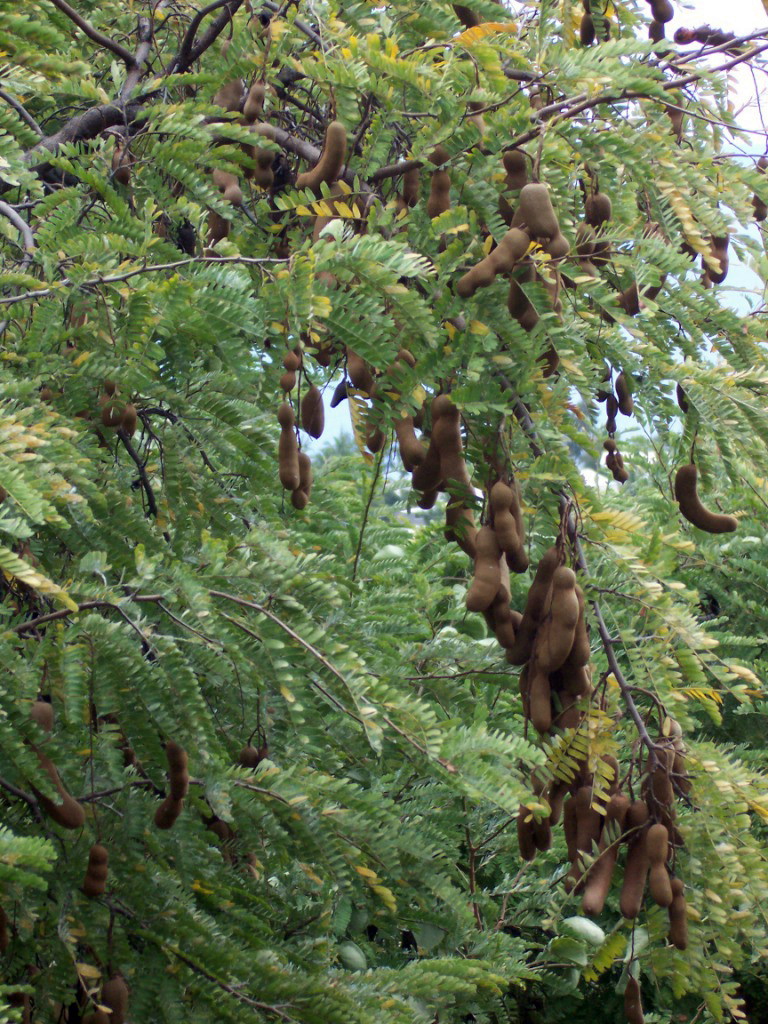
- Leaves: Its foliage consists of bright green, pinnate leaves, which are typically dense, providing excellent shade. These leaves neatly fold up at night, a phenomenon known as nyctinasty.
- Flowers: Small, five-petaled flowers, often pale yellow with orange or red stripes, blossom in racemes. While subtle, these flowers are beautiful precursors to the tree's prized fruit.
- Fruit Pods: The most distinctive feature is its fruit, which develops in long, curved, brown pods. These pods encase several seeds surrounded by a fibrous, tangy pulp. This pulp is the part of the tree most commonly used.
- Wood: The wood is dense, durable, and dark reddish-brown, prized for its strength and resistance to pests, though it is slow-growing.
The resilience of the Tamarind tree makes it a valuable species, capable of growing in a variety of soils, from sandy to clay, provided there is good drainage. Its deep root system also contributes to its drought tolerance, making it a sustainable crop in many challenging environments. For those eager to discover more about this specific tropical tree, our guide, Identify the 9-Letter Tropical Tree: Meet the Tamarinde, provides further insights.
The Culinary Kaleidoscope of Tamarind: A Taste Sensation
Tamarind pulp is an indispensable ingredient in global cuisine, revered for its unique sweet-sour flavor profile. It's this distinctive taste that has earned it a place in kitchens from India to Mexico, and beyond.Versatile Culinary Applications:
- Asian Cuisine: In Indian cooking, tamarind is a fundamental component of chutneys, curries (especially South Indian varieties), sambar, and rasam, imparting a delightful tang. In Thai cuisine, it's key to the iconic Pad Thai, as well as in sour curries and dipping sauces. Across Southeast Asia, it features prominently in stir-fries, marinades, and soups.
- Latin American & Caribbean Dishes: From refreshing beverages like "agua de tamarindo" in Mexico to savory stews and sauces in the Caribbean, tamarind adds a crucial layer of flavor. It's often found in candies and fruit snacks as well.
- Middle Eastern & African Staples: Tamarind is used in some Middle Eastern stews and beverages, and in various African dishes, where it provides a tart counterpoint to rich flavors.
- Western Infusions: Beyond traditional boundaries, tamarind has found its way into modern culinary creations, including gourmet sauces, glazes for meats, and innovative cocktails, demonstrating its adaptability.
Practical Tip for Using Tamarind: Tamarind is available in various forms: whole pods, pressed blocks of pulp, concentrate, and ready-to-use paste. While fresh pods offer the most authentic flavor, pressed blocks are excellent for making your own pulp (soak in warm water, mash, and strain). Tamarind concentrate and paste offer convenience but may have added ingredients, so always check the label for purity.
Beyond the Kitchen: Medicinal and Industrial Uses of Tamarind
The utility of the Tamarind tree extends far beyond its delicious fruit, touching upon traditional medicine, industrial applications, and even environmental benefits.Health Benefits and Traditional Medicine:
Tamarind has been utilized in traditional medicine for centuries, particularly in Ayurvedic and Unani systems. Its medicinal properties are attributed to its rich content of antioxidants, vitamins (especially B vitamins and Vitamin C), and minerals.
- Digestive Aid: The fruit is a natural laxative, often used to alleviate constipation due to its high fiber content.
- Anti-inflammatory Properties: Extracts from tamarind have shown anti-inflammatory effects, traditionally used to soothe sore throats and treat minor skin irritations.
- Antioxidant Powerhouse: Rich in polyphenols and flavonoids, tamarind helps combat oxidative stress and protects cells from damage.
- Blood Sugar Management: Some studies suggest its potential role in managing blood sugar levels, though more research is needed.
Industrial and Other Uses:
- Timber: The strong, durable heartwood of the Tamarind tree is highly valued for making furniture, tools, agricultural implements, and even construction components. It's also an excellent source of charcoal and firewood.
- Seed Utilization: Tamarind seeds, often discarded, have industrial applications. They contain polysaccharides that can be used as sizing agents in textiles, paper manufacturing, and as stabilizers in food products. They are also used in animal feed and can yield an oil.
- Ornamental Value: Due to its stately appearance and dense shade, the Tamarind tree is often planted as an ornamental street tree or in parks in tropical regions.
- Cultural Significance: In many cultures, the Tamarind tree holds symbolic meaning, often associated with wisdom, longevity, and community gathering places.
Cultivating Tamarind: A Guide for Enthusiasts
For those inspired to grow their own "Tropische Boom 9 Letters," Tamarind cultivation can be a rewarding endeavor, though it requires patience as trees mature slowly.Key Cultivation Requirements:
- Climate: Tamarind thrives in tropical and subtropical climates with distinct dry and wet seasons. It is sensitive to frost, especially when young.
- Soil: It prefers deep, well-drained loamy or sandy soils but can tolerate a range of soil types, including slightly saline soils. Good drainage is crucial to prevent root rot.
- Sunlight: Full sun exposure (at least 6-8 hours daily) is essential for healthy growth and fruit production.
- Watering: Young trees require regular watering to establish. Mature trees are drought-tolerant but benefit from watering during prolonged dry spells, which can enhance fruit yield.
- Propagation: Tamarind can be grown from seeds, which germinate readily but result in variable fruit quality and slower fruiting. Grafting or air-layering from known productive trees is preferred for commercial cultivation to ensure genetic consistency and earlier fruiting.
- Care and Maintenance: Minimal pruning is generally needed, mainly to remove dead or diseased branches or to shape the canopy. Fertilize young trees with balanced fertilizer. Pests and diseases are generally not a major issue, thanks to the tree's natural resilience.
Growing a Tamarind tree is a commitment, but the reward of its beautiful form, lush shade, and bountiful, flavorful fruit is well worth the effort. It represents a living connection to the rich botanical heritage of the tropics.